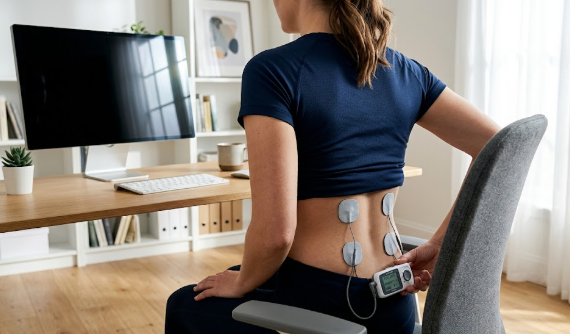
If you deal with recurring lower-back discomfort, you may have come across TENS units as a drug-free way to manage it. TENS, short for transcutaneous electrical nerve stimulation, sends mild electrical pulses through adhesive pads placed on the skin. The idea is that these pulses help reduce the sensation of pain, partly by interrupting pain signals before they reach the brain and partly by encouraging the release of endorphins, the body’s natural pain-relieving chemicals. Many people use a TENS unit as one part of a broader pain-management routine.
It is important to be realistic and cautious about what a TENS unit is. It is a tool for managing the sensation of pain, not a treatment for whatever is causing it, the evidence for its effectiveness in lower-back pain is mixed, and it is not suitable for everyone. This guide explains the basics, lists popular and well-reviewed units for 2026, and covers important safety considerations, but it is general information only. Please read the safety section carefully and speak to a healthcare professional before trying TENS, especially for new or unexplained pain.
Important safety information: read before buying
A TENS unit is not appropriate for everyone, and using one incorrectly can be unsafe. You should not use a TENS unit without first consulting a doctor if you have a pacemaker or any other implanted electrical or metal device, are pregnant, have epilepsy, or have a heart condition. Pads should never be placed over the front or sides of the neck, the head, the eyes, broken or irritated skin, or directly over the spine, and you should not use it while driving, operating machinery, in water, or while asleep. New, severe, or unexplained back pain should always be assessed by a healthcare professional first, because pain can signal an underlying condition that needs proper diagnosis. A physiotherapist or the device’s own instructions can advise on safe pad placement and settings for your situation. The NHS provides a useful overview of managing back pain, including where treatments like TENS fit in.
What to look for in a TENS unit
Most quality units share a few useful features. Dual-channel control lets you run two sets of pads at once, which gives more flexibility when treating a larger area like the lower back or two separate spots, and adjustable intensity levels let you start gently and increase only as far as is comfortable, avoiding any sudden jolt. Multiple modes provide variety so your body does not adapt to a single pattern. You will also choose between wired and wireless designs, and between rechargeable and battery-powered units. Neither is automatically better: rechargeable units are convenient for frequent users, while battery units offer quick replacement and long storage life. Wireless units are more discreet and easier to wear under clothing, while wired units tend to cost less.
Popular and well-reviewed TENS units for 2026
TENS 7000 — The long-standing favourite
The TENS 7000 has been the most widely used and battle-tested TENS unit for well over a decade, with millions of units sold and an enormous base of user reviews. It offers strong, adjustable output, dual channels, multiple modes, and a reputation for durability and consistent performance over years of use. It is wired and runs on a 9V battery rather than being rechargeable, which some frequent users find less convenient, but for a reliable, straightforward, proven device, it is the one most people start with.
AUVON 3-in-1 TENS/EMS Unit — Best value all-rounder
The AUVON 3-in-1 combines TENS, EMS, and relaxation-style modes in one compact, rechargeable device, and it is known for excellent value. Its many intensity levels allow for gradual adjustment without a sudden shock, and the build quality feels more premium than its price suggests. For people who want flexibility, modern conveniences like a rechargeable battery, and a single device that covers more than one type of stimulation, it is a popular and affordable choice.
AUVON Dual Channel TENS Unit — Best budget pick
For those who want a no-frills, reliable wired unit on a tight budget, the AUVON Dual Channel is a consistent favourite. It offers independent dual-channel control and a good range of modes and intensity levels at a low price, making it a sensible entry point for anyone trying TENS for the first time without spending much. It does not have the premium features of pricier units, but it covers the fundamentals well.
iReliev Wireless TENS Unit — Best wireless option
The iReliev wireless system is a strong pick for people who dislike cables. It uses wireless pods, and its design means you need only one pad per channel, which is genuinely convenient for the lower back since you do not have to position multiple wired pads behind you. Treatment times are adjustable across a useful range. It costs more than basic wired units, but the freedom of movement and simpler setup make it appealing for regular use.
A wearable wireless unit — Best for discreet use at work
If you want something you can wear discreetly under clothing while working or travelling, a compact wearable wireless unit is the most practical option. These all-in-one devices clip to the pads and let you adjust settings from your phone or a small remote, so you can run a session at your desk without anyone noticing. They are ideal for frequent travellers and anyone who wants on-demand relief that fits into a normal day.
InTENSity Select Combo — Best multi-therapy device for advanced users
For clinicians and advanced home users who want a professional-grade device, combo units like the InTENSity Select Combo offer TENS alongside other electrotherapy modes in a single rechargeable machine with a large number of programs. These are more powerful and complex than entry-level units and are best suited to people who already understand electrotherapy or are guided by a professional. Most casual users will not need this level of capability.
At-a-glance comparison
The table below summarises the units above. Prices are approximate United States figures and can change, so always confirm current pricing before buying.
| Unit | Best for | Type | Approx. price |
|---|---|---|---|
| TENS 7000 | Proven, reliable choice | Wired, battery | ~$30 – $40 |
| AUVON 3-in-1 TENS/EMS | Value all-rounder | Wired, rechargeable | ~$35 – $40 |
| AUVON Dual Channel | Budget | Wired, battery | ~$30 |
| iReliev Wireless | Wireless freedom | Wireless, rechargeable | ~$80 – $130 |
| Wearable wireless | Discreet use at work | Wireless, rechargeable | ~$30 – $50 |
| InTENSity Select Combo | Advanced multi-therapy | Wired, rechargeable | ~$100+ |
Using a TENS unit sensibly
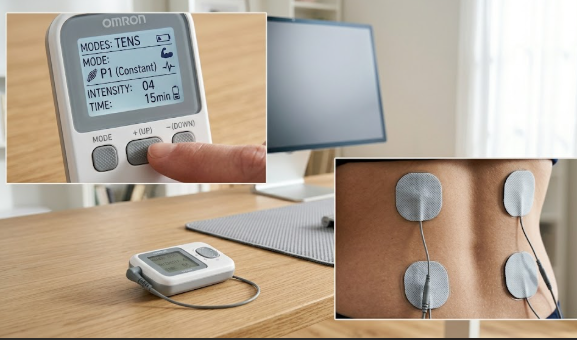
If your healthcare provider has confirmed TENS is appropriate for you, a sensible general approach is to start with the lowest comfortable intensity and short sessions, increasing only gradually as your body gets used to the sensation. The feeling should be a comfortable tingling, never painful. Follow the placement and timing guidance in your device’s manual or from your physiotherapist, keep the skin clean and the pads in good condition, and stop if you experience any irritation or discomfort beyond the normal tingling.
Most importantly, treat TENS as one part of a wider plan rather than a standalone fix. It may help you manage symptoms, but it does not address the cause, so combine it with the things that target the root of sedentary back pain: a supportive workspace, regular movement, and strengthening. Our guides to back pain exercises for remote workers, the best ergonomic chairs, and a foam roller routine all tackle the underlying habits, and since rest matters too, our best mattress for back pain guide is worth a look.
Frequently asked questions
Does a TENS unit actually work for lower back pain?
Some people find TENS helps them manage the sensation of pain, but the scientific evidence for its effectiveness specifically in lower-back pain is mixed, and results vary a lot between individuals. It is best viewed as a possible aid for symptom relief rather than a guaranteed or curative treatment, and it should complement, not replace, addressing the underlying cause with professional guidance.
Is a TENS unit safe to use at home?
For many healthy adults it can be, when used correctly and after checking the safety considerations. However, it is not safe for everyone, particularly people with pacemakers or other implanted devices, those who are pregnant, or those with epilepsy or heart conditions. Always read the safety information, follow the instructions, and consult a healthcare professional before starting, especially for new or unexplained pain.
How long should a TENS session last?
Many devices allow sessions of roughly five to sixty minutes, but the appropriate duration and frequency depend on your situation and should follow the device instructions or professional advice. A common cautious approach is to start with shorter sessions at low intensity and adjust only as comfortable. More is not necessarily better.
Where should I place the pads?
Pad placement depends on your specific situation, and your physiotherapist or the device’s instruction manual is the right source for guidance. As a general safety rule, pads should never go over the front or sides of the neck, the head, broken skin, or directly over the spine. If you are unsure, ask a professional rather than guessing.
The bottom line
A TENS unit can be a convenient, drug-free tool for managing the sensation of lower-back pain for people for whom it is appropriate, with the TENS 7000 being the proven favourite and the AUVON units offering strong value. But it is a symptom aid, not a cure, the evidence is mixed, and it is not safe for everyone, so check the safety considerations and speak to a healthcare professional first. For lasting relief, pair any device with the habits that target the cause, starting with a supportive setup in our home office ergonomic setup guide.
Affiliate disclosure: This article contains affiliate links. If you buy a product through one of them, we may earn a small commission at no extra cost to you. This never influences which products we recommend.
Medical disclaimer: We are not doctors, physiotherapists, or medical professionals, and this article is for general informational purposes only. It does not constitute medical advice, diagnosis, or treatment, and it is not a recommendation to use TENS therapy. TENS units are not suitable for everyone and can be unsafe if used incorrectly or by people with certain conditions. Always read the manufacturer’s safety information and consult a qualified healthcare professional before using a TENS unit, particularly if you have a pacemaker or other implanted device, are pregnant, have epilepsy or a heart condition, or are experiencing new, severe, or unexplained pain.