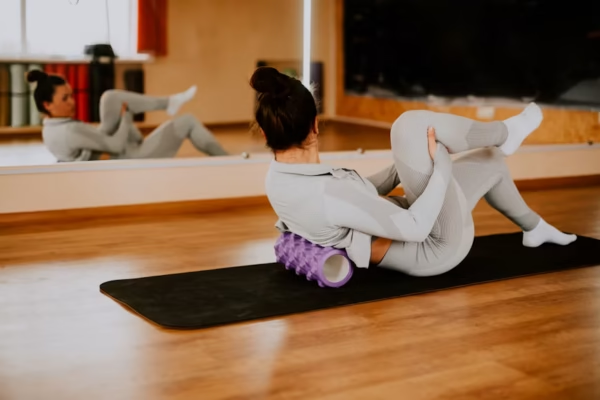
A foam roller is one of the cheapest and most useful self-care tools for desk workers, but most people use it wrong, and a few use it in ways that can make back pain worse. The key insight, echoed by physiotherapists, is that the relief for a sore lower back usually comes from rolling the muscles around it, not the lower back itself. Long hours of sitting tighten the glutes, hip flexors, and upper back, and that tension drags on the lumbar spine. Releasing those surrounding muscles often eases back discomfort more effectively, and more safely, than rolling directly on the painful spot.
This guide explains how to use a foam roller safely for back pain, which areas to target, how often to do it, and how to choose the right roller. It is general information for healthy people, not a treatment plan, so please read the safety section first and speak to a professional if anything about your pain concerns you. Foam rolling works best as one part of a routine that also includes good posture and movement, as covered in our back pain exercises for remote workers guide.
Important safety note: read this first
Do not roll directly over your lower spine. The lumbar region is not protected the way the muscular areas of the body are, and rolling directly on it can cause the back muscles to tense up reflexively and may aggravate the problem. Instead, work the surrounding muscles, the glutes, hips, and upper back, and if you target the muscles beside the lower spine, lean slightly to one side so the roller presses on the muscle rather than the bone. Keep the pressure firm but comfortable, never sharp, and stop immediately if a movement increases your pain. Seek medical advice before foam rolling if your pain is severe, persistent, or unexplained, if it spreads into your legs, if it comes with numbness or weakness, if it followed an injury, or if you have any known disc or nerve involvement. The upper back tolerates rolling far better than the lower back; the general guidance on foam rolling for the back reflects this.
How to foam roll safely
A few simple rules make foam rolling effective and safe. Warm up first with a couple of minutes of walking or gentle movement so the tissue is not cold. Move slowly rather than racing back and forth, and when you find a tight or tender spot, pause and hold the pressure on it for about twenty to thirty seconds, breathing deeply and letting the muscle relax rather than fighting the discomfort. Keep the pressure comfortable; foam rolling should feel firm and useful, not unbearable. Avoid rolling over bony areas, joints, the neck, or directly over the spine, and always focus on the soft tissue. Consistency matters more than intensity, so a little most days beats an occasional aggressive session.
The best areas to roll for back pain
Upper back (thoracic spine)
The upper back responds well to foam rolling and is a great place to release the tightness that builds up from hunching over a screen. Lie on your back with the roller across your upper back at the level of your shoulder blades, support your head by clasping your hands behind it, and gently extend back over the roller before slowly rolling between the mid-back and the top of the shoulder blades. Keep the movement controlled and do not roll onto your neck or down onto your lower spine. This helps mobilise the area most affected by desk posture.
Glutes
Tight glutes are one of the most common and overlooked contributors to lower-back pain, because they affect how the pelvis sits and can place extra strain on the lumbar spine. Sit on the roller, cross one ankle over the opposite knee to open the hip, lean your weight slightly toward the crossed side, and slowly roll across the glute, pausing on any tender spots for twenty to thirty seconds before switching sides.
Hip flexors
Sitting all day shortens the hip flexors at the front of the hip, which connect the spine to the legs and can pull on the lower back. Lie face down and place the roller under the front of one hip, supporting your upper body on your forearms, then gently rock side to side and roll a short range to release the area. Keep your core engaged so your lower back stays supported, and keep the pressure gentle here.
Piriformis and outer hip
The piriformis, deep in the buttock, often tightens with prolonged sitting and is linked to lower-back and hip tension. From the glute position above, with one ankle crossed over the opposite knee, lean a little further into the outer hip and roll slowly to target this deeper muscle, holding on tight spots. Move gently and stop if you feel any sharp or radiating sensation.
Hamstrings and calves
Tight hamstrings can tilt the pelvis and add to lower-back strain. Sit with your legs extended and the roller under your thighs, support your weight on your hands behind you, lift your hips, and roll slowly from just above the knee to just below the glutes. You can shift the roller down to the calves and repeat from ankle to knee. Pause on tender areas for twenty to thirty seconds.
Lats and side of the back
The lats run down the sides of the back and tighten with overhead and seated postures. Lie on one side with the roller under your armpit area, keeping the lower leg on the floor for support, and gently roll from just below the armpit toward the mid-back, pausing on sore spots. Avoid rolling onto the lower ribs or the spine itself.
How often to foam roll
Consistency is what delivers results. A practical guide is to spend around forty-five to sixty seconds per muscle per side, since very brief rolling produces little lasting change, and to do this most days of the week. Many people notice improvements in mobility and comfort within roughly two to four weeks of regular practice. Rolling before exercise can help warm up the tissue and improve range of motion, while rolling afterwards may reduce soreness and support recovery. For a desk worker, a short session at the end of the day is a convenient habit.
How to choose a foam roller
For most people with back stiffness, a medium-to-firm smooth roller is the best starting point. Beginners and those with sensitive backs should favour a softer, smoother roller that feels supportive rather than aggressive, while more experienced users may prefer a lightly textured surface for deeper release, but only when symptoms are stable. A longer roller is useful for upper-back extension and alignment work, while a shorter roller is handier for targeted work on the glutes, hips, and legs. More intensity is not always better, especially if you have any disc or nerve involvement, in which case gentler is wiser and professional guidance comes first.
TriggerPoint GRID — Best overall
The TriggerPoint GRID is a long-running favourite for a reason: its medium density and patterned surface offer effective release without being punishing, and the hollow core keeps it durable. It is a versatile, all-purpose roller that suits the thoracic spine, glutes, and legs equally well, making it a reliable first roller for most desk workers.
A soft full-length smooth roller — Best for beginners and sensitive backs
If you are new to foam rolling or your back is sensitive, a longer, softer smooth roller is the gentlest place to start. Its length supports the whole spine during upper-back extension and Pilates-style mobility work, and its softer feel is far more forgiving than a hard textured roller. It is an inexpensive, low-risk way to begin.
A textured medium-density roller — Best value for deeper release
For those who tolerate more pressure and want deeper muscle release on the glutes, hips, and legs, a textured medium-density roller offers good value and effective results. The ridges target tight knots more precisely than a smooth surface. Use it once your symptoms are stable and keep the pressure within a comfortable range.
A back-specific extension tool — Best for targeted upper-back relief
Some tools are designed specifically for the back, offering a shaped surface that lets you extend the thoracic spine and target the muscles either side of it without pressing on the spine itself. These can be a comfortable, controlled option for desk workers whose main complaint is upper-back and shoulder tightness, and they complement a standard roller used for the hips and legs.
Frequently asked questions
Can I foam roll my lower back directly?
It is generally not recommended to roll directly over the lumbar spine, because that area is not protected the way muscular regions are and rolling on it can cause the back muscles to tense or aggravate symptoms. The safer and often more effective approach is to roll the surrounding muscles, the glutes, hips, and upper back, which release the tension that pulls on the lower back. If you are unsure, ask a physiotherapist.
Does foam rolling actually help back pain?
For many people it can help by releasing tight muscles that contribute to back tension, improving circulation, and supporting mobility, and research has linked foam rolling to reduced muscle soreness and faster recovery. It is a self-care aid rather than a cure, works best with consistency, and should complement, not replace, addressing the underlying causes and seeking professional advice for persistent pain.
How long should a session take?
A useful session targeting the glutes, hips, thoracic spine, and legs takes only around ten minutes, spending roughly forty-five to sixty seconds per muscle per side. Doing this several times a week is more effective than a single long session, and results typically build over a few weeks.
Should I roll before or after sitting all day?
Both can help. A short session at the end of the workday is a convenient way to release the tightness that builds up from sitting, while rolling before exercise warms up the tissue. Pair it with regular movement breaks during the day rather than relying on a single session to undo hours of stillness.
The bottom line
A foam roller is a simple, affordable tool that can ease the muscle tension behind a lot of desk-related back discomfort, as long as you use it correctly: roll the muscles around the lower back, not the lumbar spine itself, keep the pressure comfortable, and stay consistent. Start with a medium-firm or soft smooth roller, target the glutes, hips, and upper back, and combine it with a supportive setup from our home office ergonomic setup guide and a good ergonomic chair for the most lasting relief.
Affiliate disclosure: This article contains affiliate links. If you buy a product through one of them, we may earn a small commission at no extra cost to you. This never influences which products we recommend.
Medical disclaimer: We are not doctors, physiotherapists, or qualified exercise professionals, and this article is for general informational purposes only. It is not medical advice, diagnosis, or treatment, and foam rolling is not suitable for everyone. Work within a comfortable range, never roll directly over the spine, and stop any movement that causes sharp or worsening pain. Consult a qualified healthcare professional before foam rolling if you have a back injury or condition, or if your pain is severe, persistent, spreading into your legs, or accompanied by numbness or weakness.